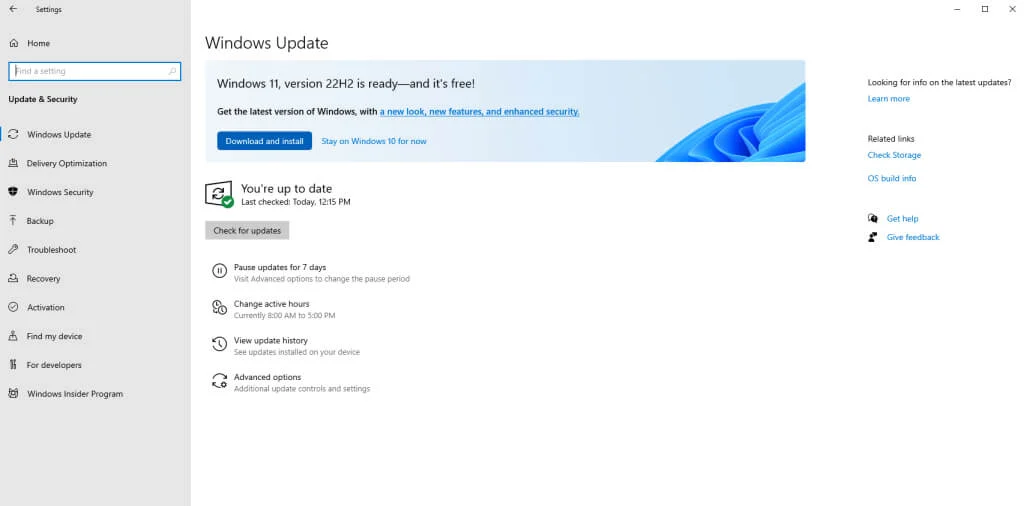
Https://malaka555.sg-host.com/ – Microsoft has taken another step toward a more adaptive operating system by adding an artificial intelligence (AI) agent directly to the Settings panel in Windows 11. This new feature is designed to help users navigate complex options, optimize performance, and receive personalized recommendations without digging through multiple menus. By embedding AI within a core part of the operating system, Microsoft is signaling a future where everyday computer management becomes more intuitive and efficient.
The AI agent operates as a smart guide, analyzing system behavior and user preferences to offer targeted suggestions. Whether adjusting power usage for better battery life or recommending display settings for specific tasks, the agent provides guidance in real time. For both casual users and IT professionals, this marks a shift from manual configuration toward proactive, AI-assisted management.
Personalized System Optimization in Real Time
One of the most appealing aspects of the AI agent is its ability to tailor settings based on how a device is actually used. For example, a user who frequently switches between gaming and work applications might receive recommendations to balance performance and energy consumption. The agent can also highlight updates or features that match the user’s habits, ensuring that important options are not overlooked.
By monitoring system performance patterns, the AI can predict potential issues before they impact productivity. Suggestions such as freeing up storage space, managing background processes, or optimizing network settings can appear instantly, reducing the need for lengthy troubleshooting sessions. This proactive approach turns system maintenance into a seamless experience rather than a technical chore.
Integration With Microsoft’s Broader AI Ecosystem
The Windows 11 AI agent is not an isolated feature; it is part of Microsoft’s larger strategy to integrate intelligent services across its product lineup. Drawing from technologies that power Copilot in Microsoft 365 and Azure’s machine learning capabilities, the agent benefits from cloud-based models that continuously improve.
This connection allows the Settings AI to deliver smarter insights over time. As Microsoft refines its algorithms, users can expect more accurate recommendations and faster responses. The company emphasizes that while the AI leverages cloud intelligence, privacy remains a priority with options to manage data sharing and limit analytics to local processing when desired.
A Step Toward More Accessible Computing
Beyond convenience, the AI agent also enhances accessibility for a wider range of users. Those who may find traditional settings menus overwhelming can rely on conversational guidance and automated adjustments. Voice commands, natural language search, and context-aware tips reduce the learning curve for people new to Windows or those with limited technical experience.
This move aligns with Microsoft’s mission to make technology more inclusive. By simplifying tasks such as adjusting display brightness, configuring sound devices, or enabling security features, the AI agent lowers barriers for individuals who might otherwise struggle with detailed system configurations.
Intelligent Updates and Future Potential
Microsoft hints that the AI agent is only the beginning of deeper AI integration within Windows 11. Future updates may expand its capabilities to include predictive maintenance, automated troubleshooting, and even cross-device optimization for users who work across multiple PCs or Surface devices.
Industry analysts view this addition as a significant step in the evolution of desktop operating systems. As AI becomes a standard component of everyday computing, Windows 11’s AI agent positions Microsoft to lead the next wave of intelligent, user-centric design.
Recent Comments